

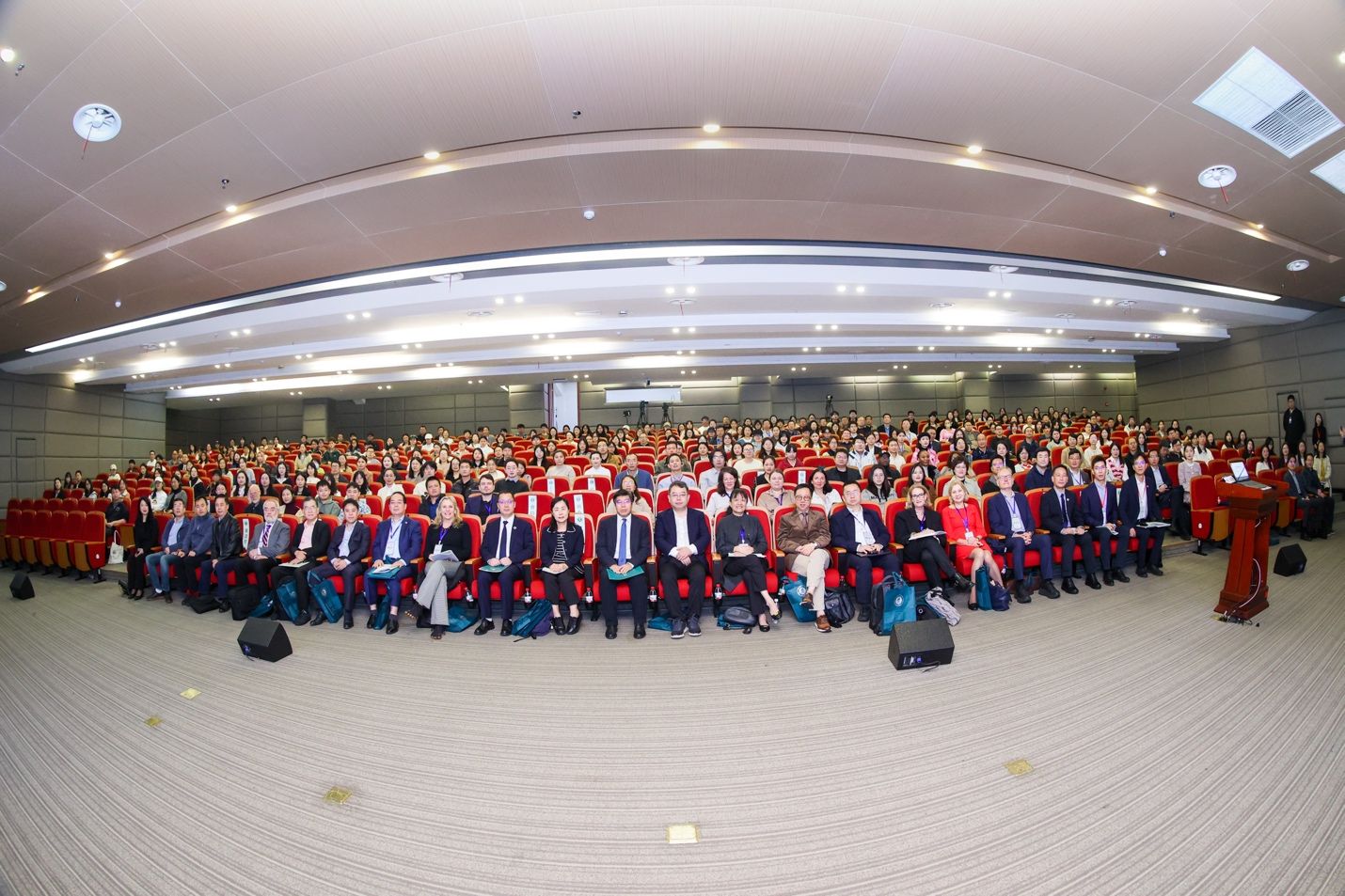
From October 29 to 31, 2025, the “2025 International Conference on Educational Leadership”, jointly organized by CCNU and The Education University of Hong Kong (EdUHK), was successfully convened at CCNU. The event was co-hosted by CCNU’s Faculty of Education and Faculty of Artificial Intelligence in Education, alongside EdUHK’s Academy for Educational Development and Innovation.
Focused on the theme “Cultivating Top-Notch Innovative Talents in the Digital and Intelligent Era”, the conference centered on cutting-edge concepts, practical pathways, and institutional innovations in digitally empowered education. It aimed to strengthen exchanges and cooperation among educational leaders and department heads worldwide. The gathering attracted experts, scholars, and practitioners from universities, research institutes, teaching institutions, and primary and secondary schools across the globe. The opening ceremony was presided over by Professor Sannyuya Liu, Vice President of CCNU.
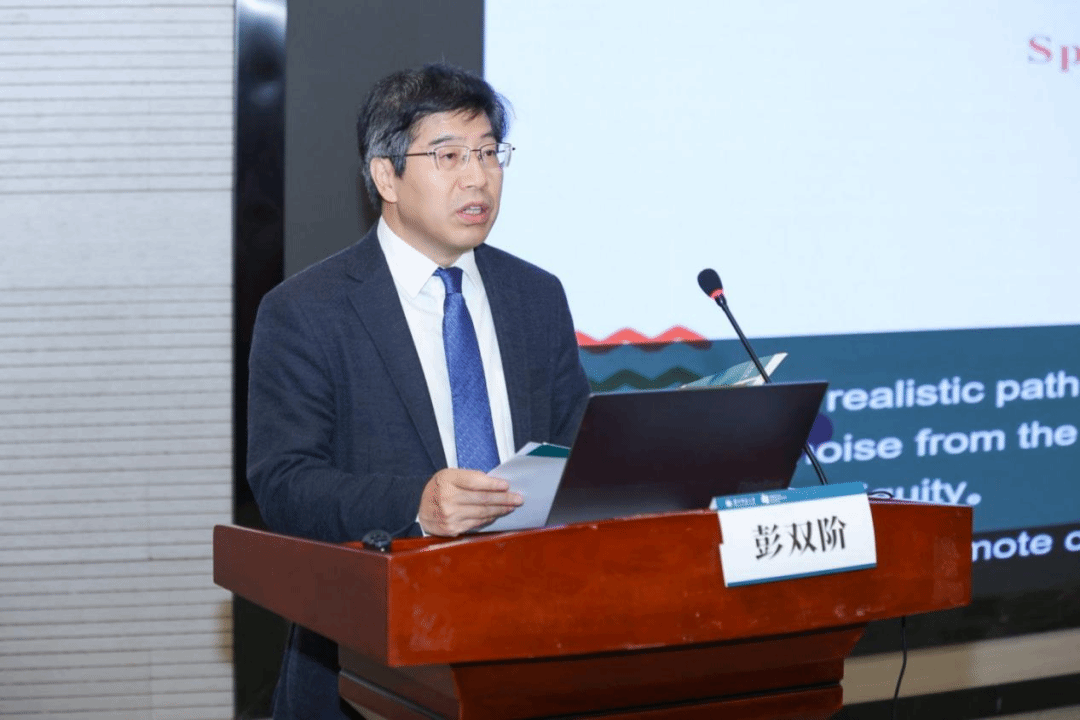
In the opening address, Professor Shuangjie Peng, President of CCNU, emphasized that CCNU is systematically advancing educational reform and innovation with the goal of building a world-class university renowned for excellence in teacher education in response to the wave of digital transformation. He outlined the university’s commitments: Leveraging disciplinary strengths to shoulder contemporary responsibilities; Establishing national-level platforms to tackle core technological challenges; Promoting interdisciplinary integration to create innovative educational frameworks; Upholding openness and collaboration to foster an academic community.
President Peng further suggested that it is imperative to enlighten minds with wisdom and pioneer change through innovation to dedicate ourselves to fostering a new generation poised to assume the responsibility of national rejuvenation and lead the advancement of human civilization.
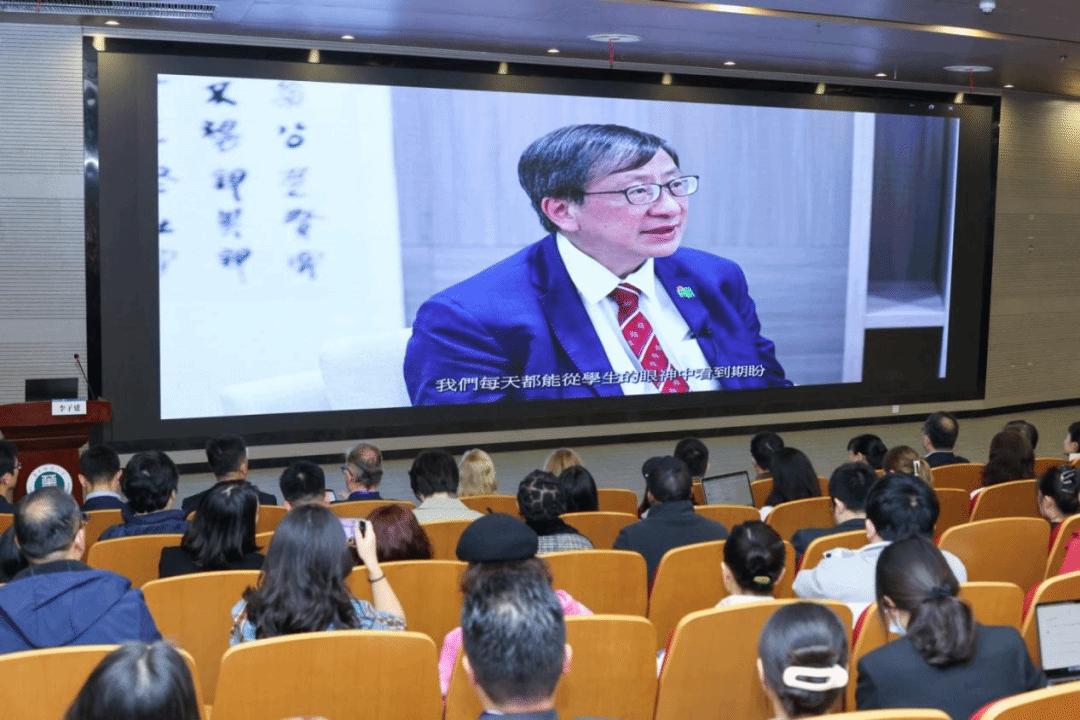
Professor John Chi-Kin Lee, President of EdUHK, in his video address, noted that the theme of this international conference echoes a pressing global educational challenge and holds great significance for exploring how to prepare younger generations for an uncertain future. He expressed confidence that the forum’s discussions would yield practical insights and solutions. President Lee also highlighted that the Global Alliance of Educational Leaders and Department Heads (GAELDH) is increasingly serving as a dynamic platform for sparking innovative thinking and fostering in-depth collaboration. He affirmed the alliance’s commitment to openness, inclusiveness, and cooperation in jointly exploring pathways for educational innovation in the age of AI.
Following the opening ceremony, the conference proceeded to the keynote session, chaired by Professor Wanpeng Lei, Dean of the Graduate School at CCNU. The keynote speeches centered on the core theme of cultivating top innovative talents in the digital and intelligent era.
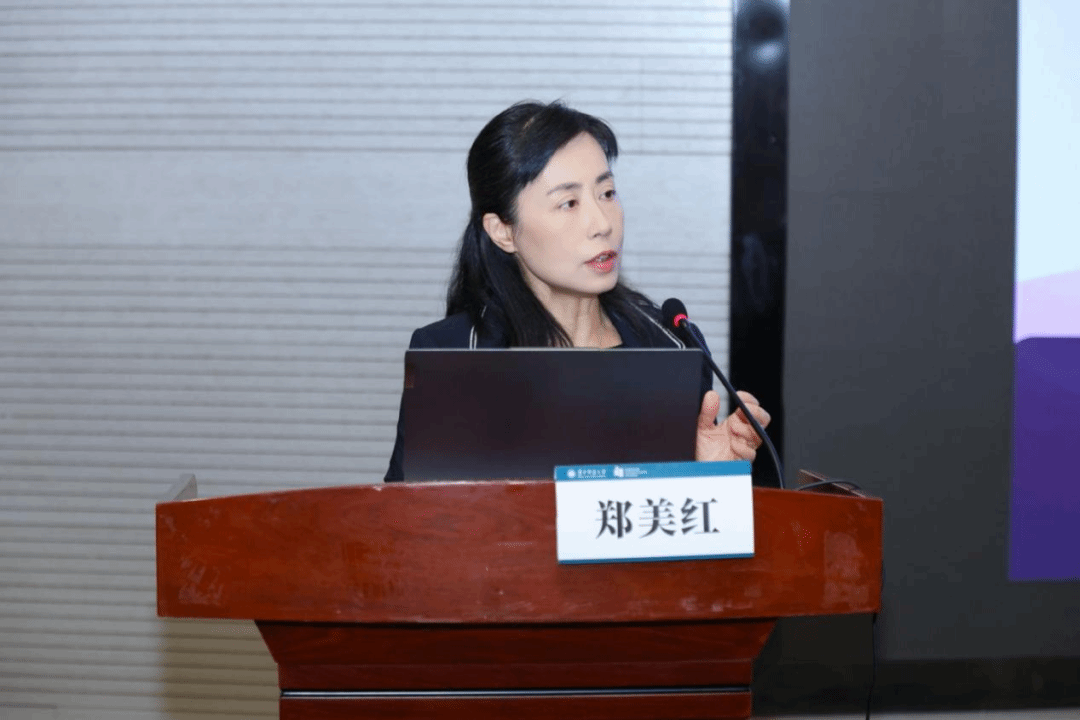
Professor May Hung May Cheng, Vice President of EdUHK, presented on “STEM Education and Cultivating Top Innovative Talents in the Intelligent Era”, exploring the applications and challenges of AI in STEM education, its impact on students’ critical thinking, and the importance of cultural integration in education.
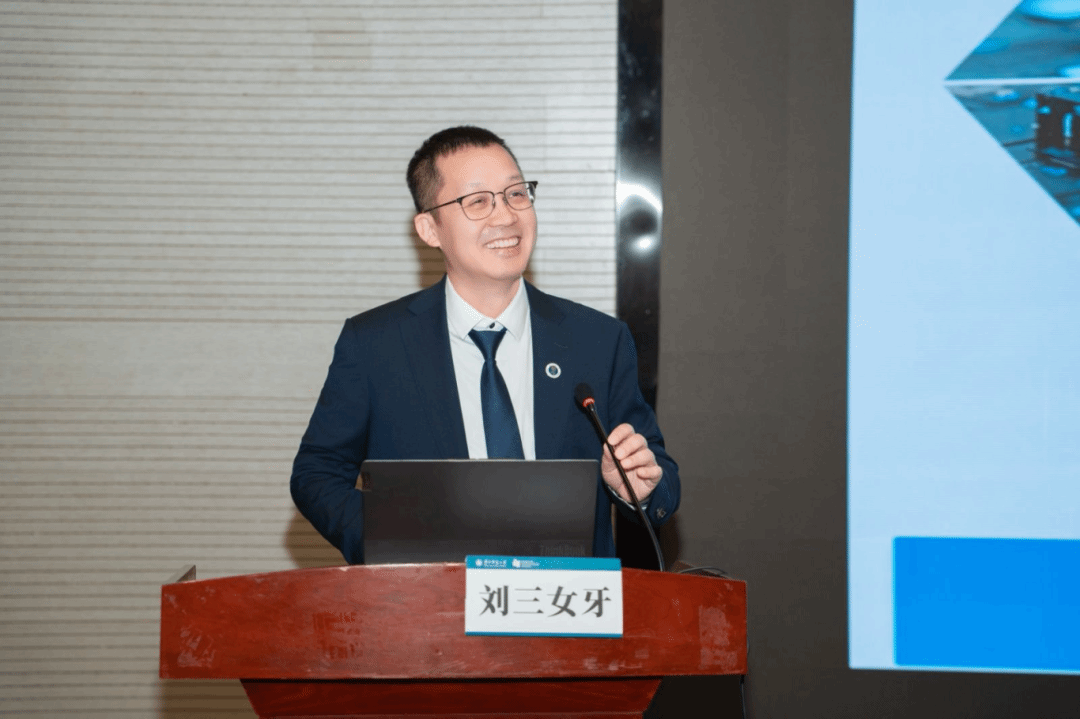
Professor Sannyuya Liu, Vice President of CCNU, delivered a report titled “AI-Powered Educational Innovation”, outlining breakthroughs, challenges, and new paradigms arising from the deep integration of AI technology and education. He also introduced the “Xiaoya” Intelligent Teaching Platform, independently developed by CCNU.
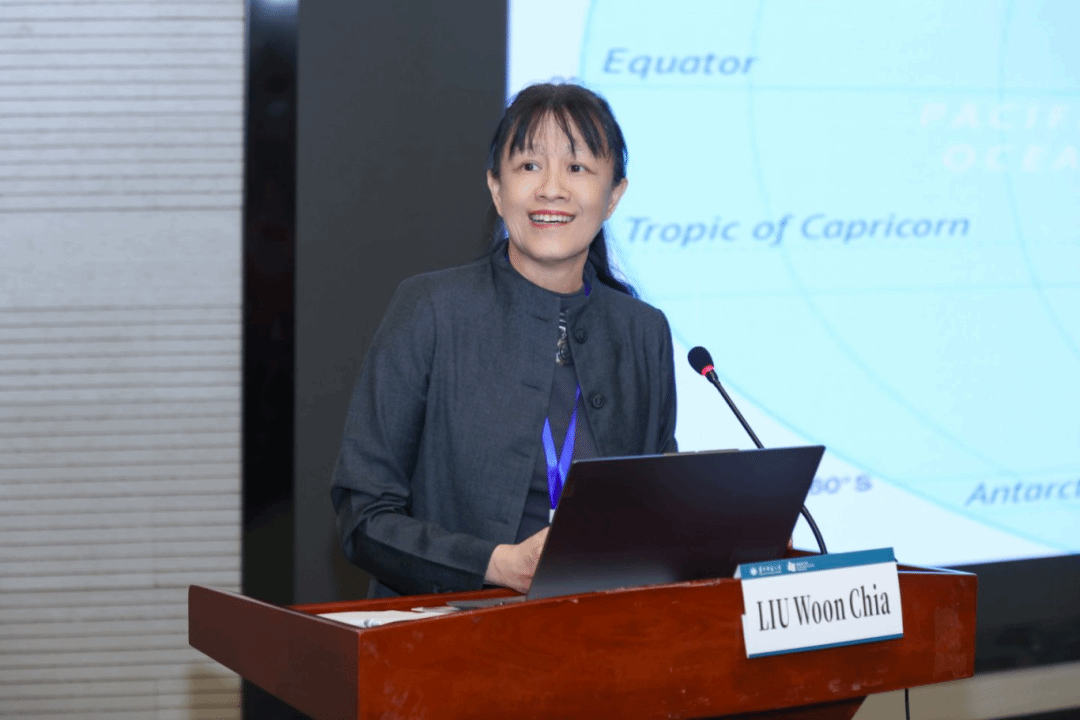
Professor Woonchia Liu from Nanyang Technological University, Singapore, shared insights on “From Instructor to Innovator: The Educator’s Role in a Technology-Enabled Future”, analyzing the evolving role and practical approaches for educators in a technology-empowered context, offering valuable references for future educational development.
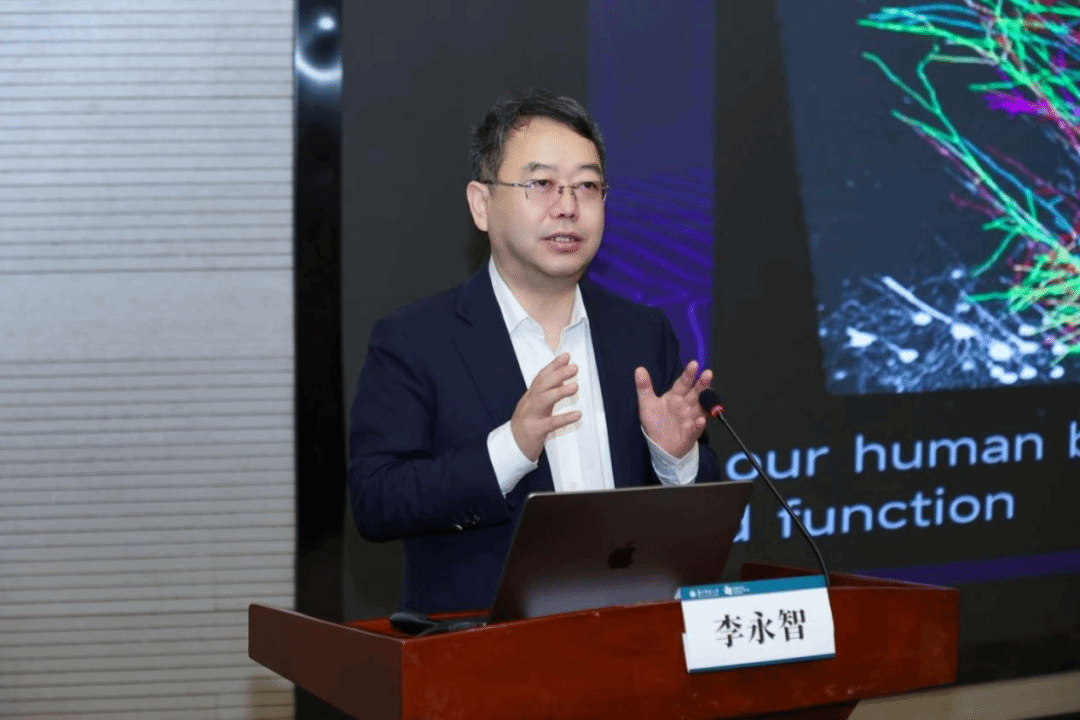
Professor Yongzhi Li, President of the National Institute of Education Sciences, China, spoke on “Artificial Intelligence and Educational Transformation”, discussing how AI is redefining education, the importance of education to human civilization, its evolution alongside technological progress, and shifts in educational goals, directions, and teachers’ roles in the AI era.
On the afternoon of October 30, parallel sessions were held, focusing on five thematic areas: Innovation in Educational Philosophy and Institutional Restructuring in the Digital-Intelligent Era; Theoretical Frameworks and Practical Pathways for Educational Digitalization and Intelligence; Building a Talent Cultivation System for Top Innovators in Basic Education; Research and Practice in Cultivating Top Innovative Talents in Higher Education; Exploring Pathways for Teacher Professional Development Driven by Digital Intelligence.
On October 31, keynote presentations were held in the Lecture Hall on the first floor of the Nanhu Building at CCNU, chaired by Professor Youyi Tian of CCNU.
Following this, four experts delivered in-depth analyses on core issues in educational development in the digital-intelligent era.
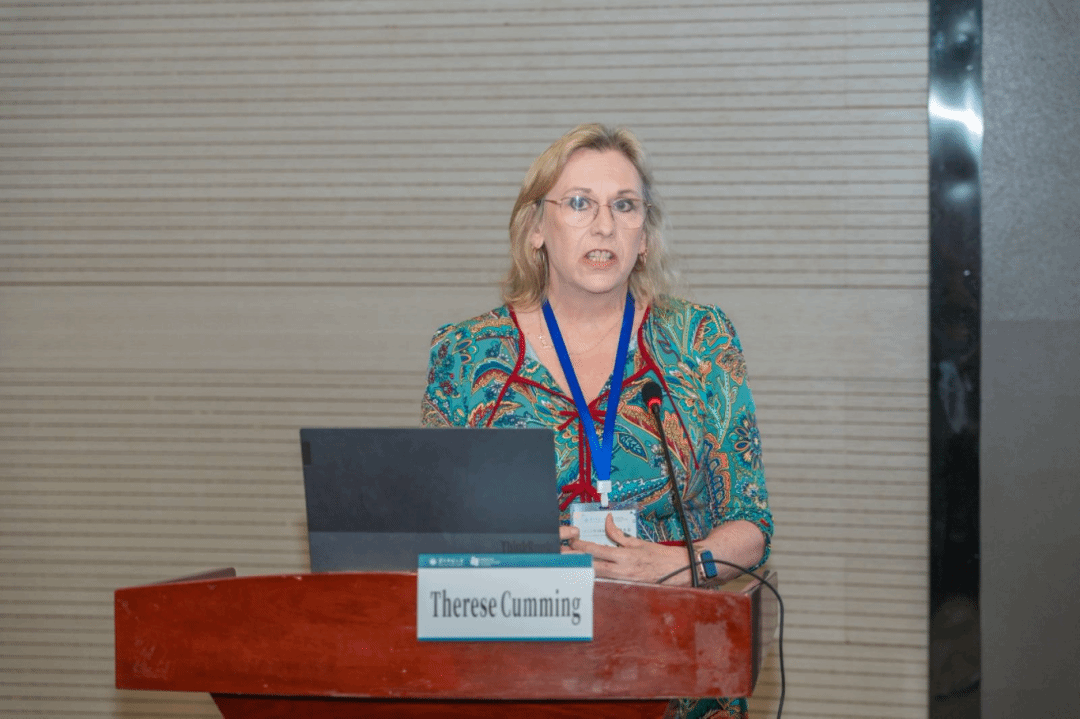
Professor Therese Cumming from the University of New South Wales, Australia, spoke on “Using Mixed Reality Simulation to Train Pre-service Teachers”, introducing the definition of mixed reality simulation and elaborating on the design, scenarios, strengths, limitations, and corresponding curricular and standards of three simulation platforms.
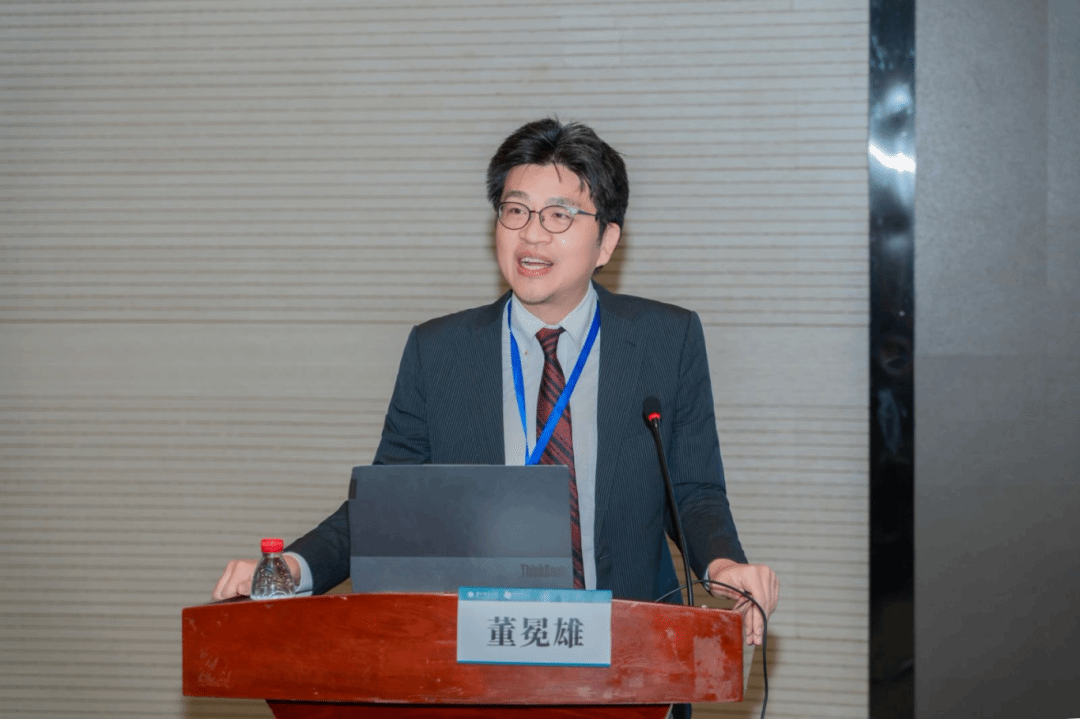
Professor Mianxiong Dong from Muroran Institute of Technology, Japan, presented “Moving Beyond Templates: Speculative-Driven Creative Learning,” proposing an AI-in-education evolution model of “passive learning + active learning + co-creative learning”, using art classes as an example and drawing on Japanese educational practices to illustrate how AI is reshaping the nature of learning.
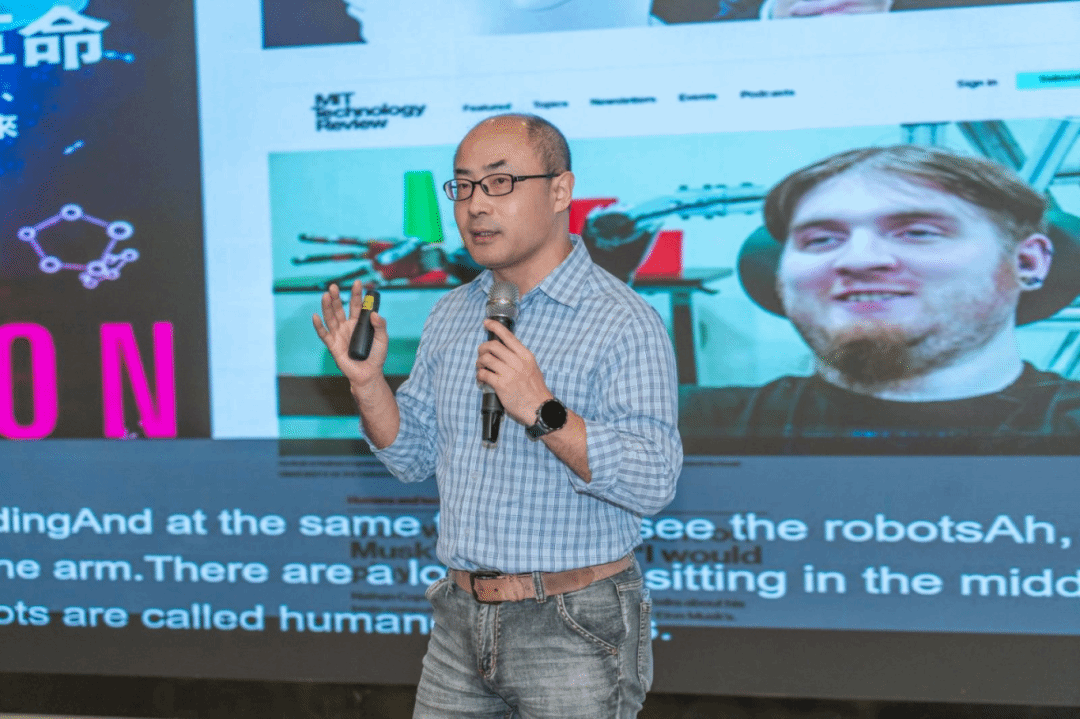
Professor Hongbiao Yin from The Chinese University of Hong Kong, addressed “Gen AI, the Post-Anthropocene, and the Future School”, examining the profound impact of generative AI and the post-Anthropocene on education from dual perspectives of technological and social change, and outlining the core features and developmental pathways of future schools.
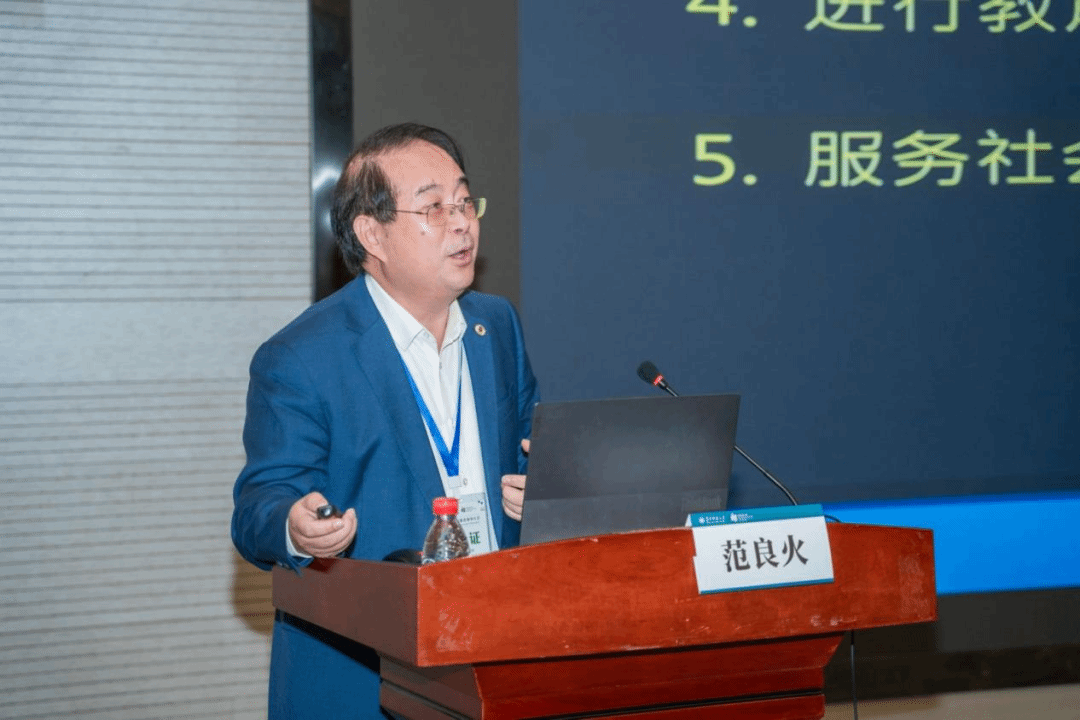
Professor Lianghuo Fan from the University of Macau, shared “How Schools of Education in Higher Education Can Respond to Challenges Posed by AI in the Digital-Intelligent Era: Practices and Innovations at the University of Macau”, discussing experiences and strategies in teacher training and educational research innovation in the AI era based on practices at the University of Macau’s Faculty of Education.
The closing ceremony was hosted by Professor Jianwen Sun, Deputy Director of the National Engineering Research Center for E-Learning (NERCEL) and the National Engineering Research Center for Educational Big Data (NERC-EBD) at CCNU’s Faculty of Artificial Intelligence in Education.
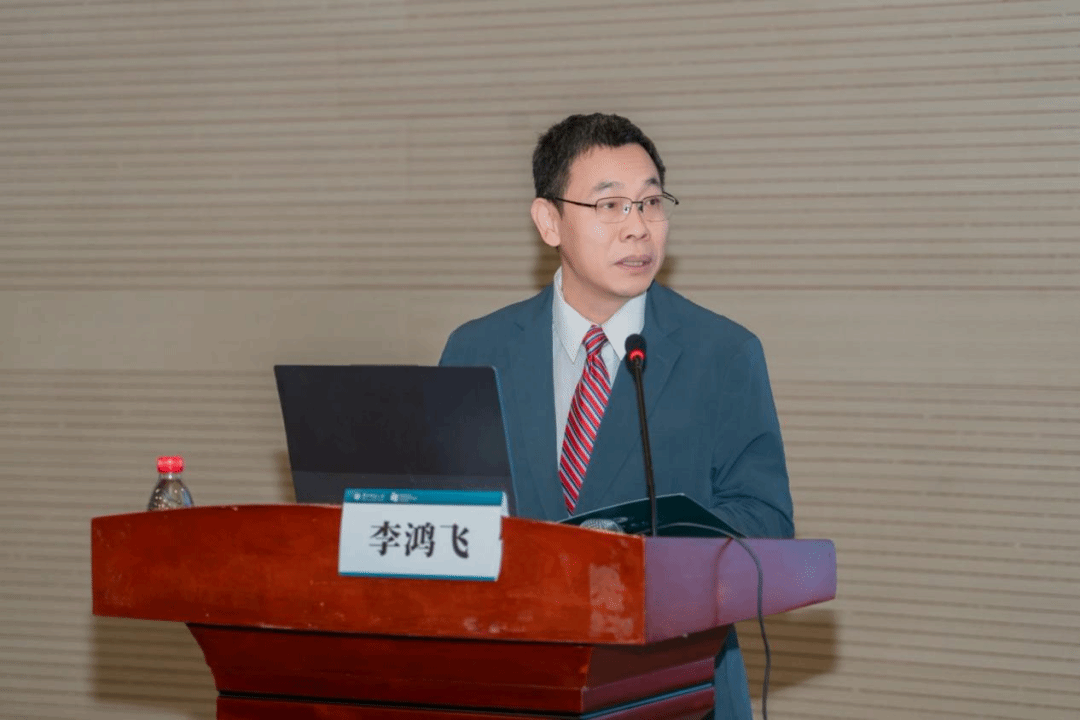
Professor Hongfei Li, Vice President of CCNU, summarized the conference outcomes, distilling key consensuses on educational innovation in the digital-intelligent era and offering important insights for deepening the understanding of educational leadership’s contemporary mission.
Mr. Hui Li, Assistant Vice President of EdUHK, called for sustained deepening of collaboration within the global educational leadership alliance and introduced plans for the 2026 International Conference on Educational Leadership.
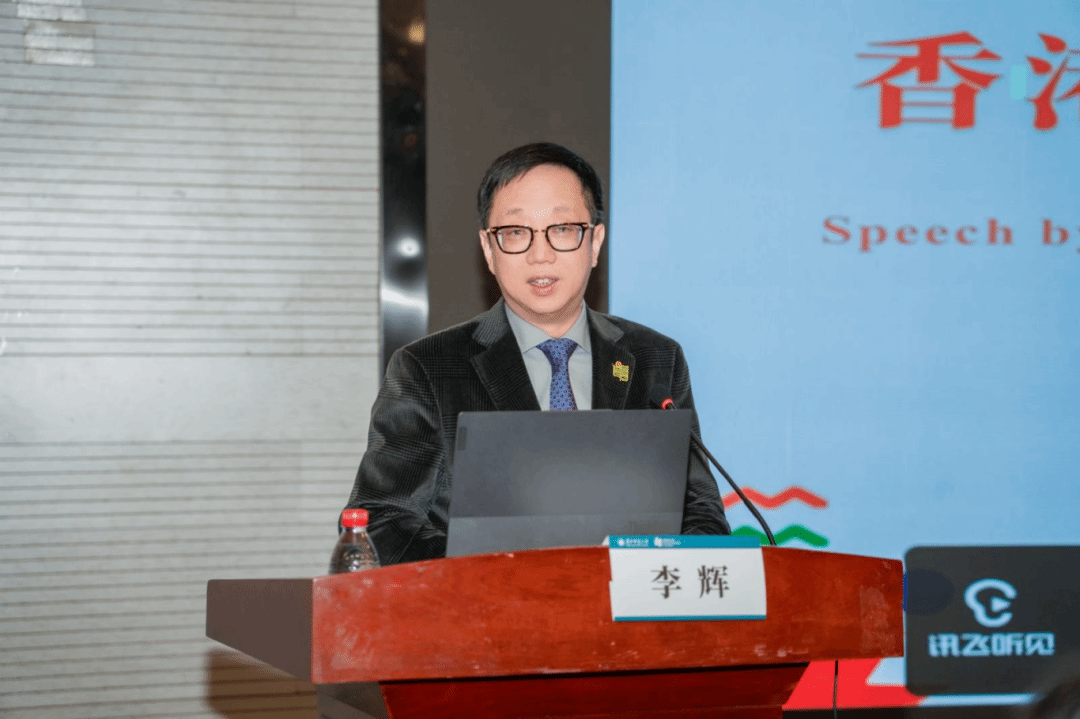
Finally, representatives from both universities conducted a handover ceremony, marking the beginning of a new chapter in cooperation.
The conference attracted over 200 experts, scholars, and educational representatives from countries and regions including the United Kingdom, Australia, Russia, Japan, Singapore, Hong Kong China, and Macau China. Eight internationally renowned scholars delivered keynote speeches. The event also featured five parallel forums, thematic poster sessions, and a visit to NERC-EBD at CCNU. Participants engaged in in-depth discussions on topics such as innovating educational philosophies and reshaping institutions, constructing theories and practices for educational digitalization and intelligence, building talent cultivation systems for top innovators in basic and higher education, and exploring pathways for teacher professional development driven by digital intelligence.
Editor: Ruye LI
Reviewer: Xiaoxiao ZHU

 Home
Home phone
phone